
Investing in Regionally Adapted Beekeeping
Support research that improves honeybee survival, strengthens pollination and advances sustainable agriculture in Nebraska.
About the Campaign 🐝
The University of Nebraska–Lincoln Bee Lab is developing a regionally adapted AZ (Alberti Žnideršič) Hive system to improve honeybee overwintering, management efficiency and availability of colonies for Nebraska agriculture. The sheltered cabinet-style system may reduce winter stress and labor while providing flexibility to move colonies to farms requiring pollination or areas with strong honey production. Solar infrastructure will integrate agrivoltaic principles into the system, demonstrating how agricultural production, pollinator management and renewable energy can work together. The AZ Hive will evaluate colony survival, productivity, nutrition and pest management while serving as a permanent teaching station.
Donor support will help create more than an innovative hive. It will help develop a working model for more efficient, sustainable, and regionally adapted beekeeping, and help ensure that healthy managed pollinators remain available to support Nebraska agriculture.
How does this impact students?
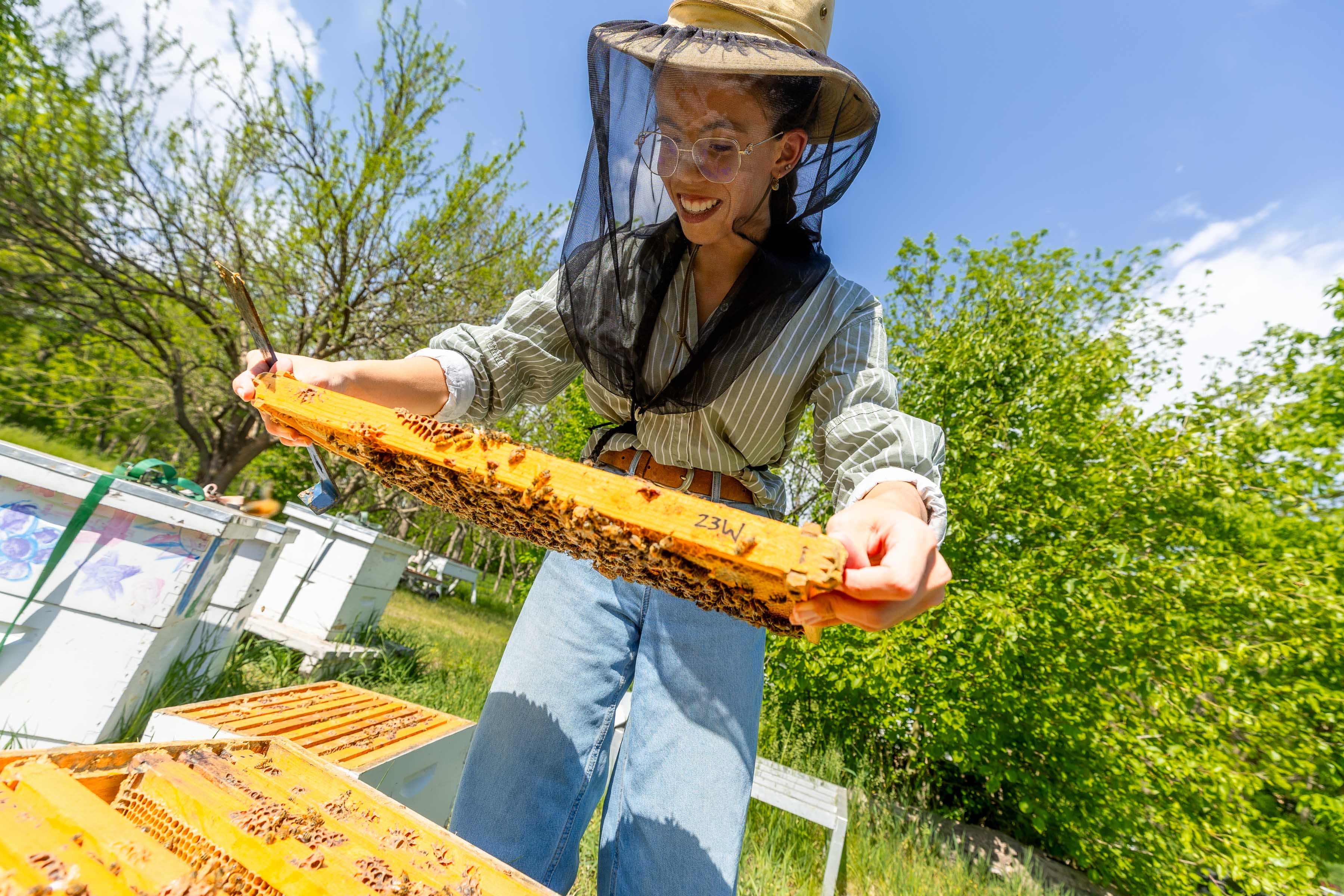
Honeybees are essential to Nebraska agriculture, yet harsh Great Plains winters contribute to colony losses and reduce the bees available when farmers need pollination. The UNL Bee Lab is developing an AZ (Alberti Žnideršič) Hive unit to evaluate a sheltered, regionally adapted mobile system that may improve overwintering, reduce labor and increase flexibility in deploying colonies for pollination and honey production. The AZ Mobile Hive unit also will provide hands-on training for beekeepers, students, educators and veterans as well as pollination services to local farms. Donor-supported solar integration will create a sustainable, year-round teaching and research facility, translating results into practical strategies that strengthen beekeeping and Nebraska agriculture.
Why should you support this project?
Across the Great Plains, beekeepers are facing unprecedented challenges. In recent reports, beekeepers reported losses of nearly 10,000 colonies in Nebraska, 1,000 in Kansas, more than 6,000 in Missouri and more than 4,400 in Iowa. These losses represent a substantial reduction in the region’s beekeeping capacity and come at a time when demand for pollination services continues to grow. At the same time, more people are entering beekeeping. Between 1997 and 2022, the number of beekeeping operations increased by more than 300% in Iowa, Kansas and Missouri and nearly 200% in Nebraska. Yet the number of managed colonies has not kept pace — and in Kansas and Nebraska, colony numbers declined dramatically. In other words, more people are keeping bees, but keeping colonies alive and productive is becoming increasingly difficult. This matters far beyond the apiary.
Healthy honeybee colonies provide essential pollination for crops, support agricultural productivity, contribute to local food systems and sustain thousands of beekeepers and small businesses. Continued colony losses put these benefits at risk and threaten the resilience of both agriculture and the communities that depend on it. The solution requires more than simply replacing lost colonies.
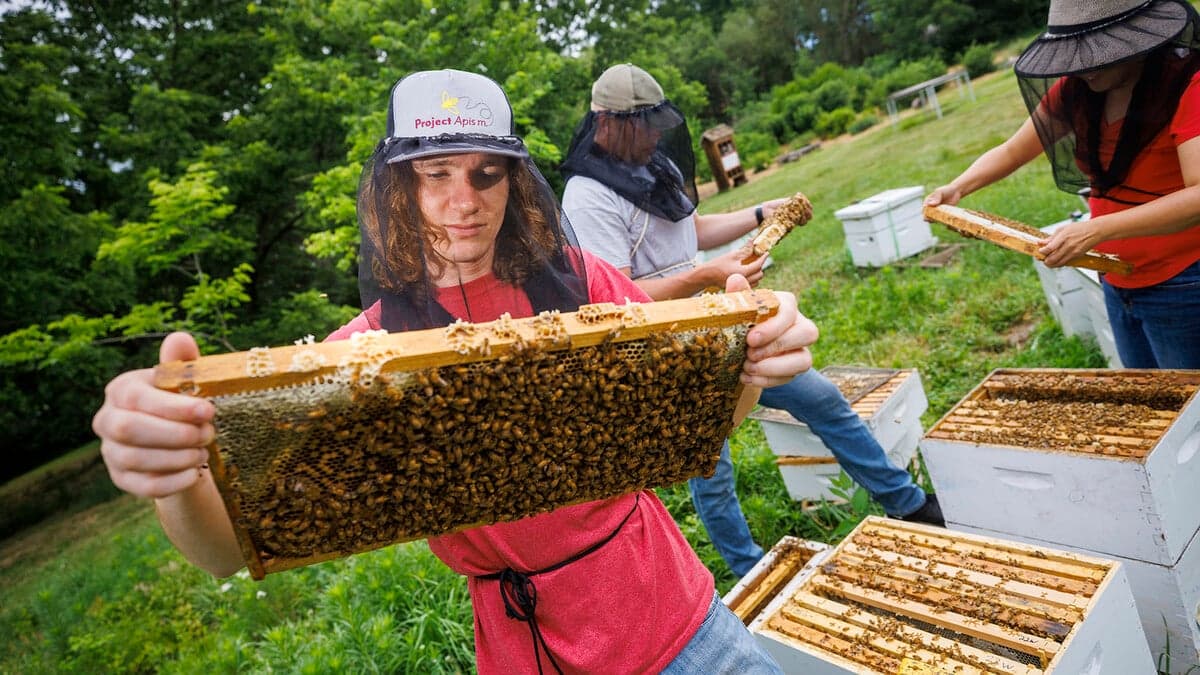
Beekeepers need research and practical education that address the complex challenges facing colonies today, including queen health and longevity, pesticide exposure, disease and parasites, nutrition and management practices. Investing in regionally adapted research, education and beekeeper support can help turn alarming losses into stronger, healthier and more sustainable beekeeping operations across the Great Plains.